TL;DR
The outcome:
Designed community platform for multicultural families to find like-minded connections
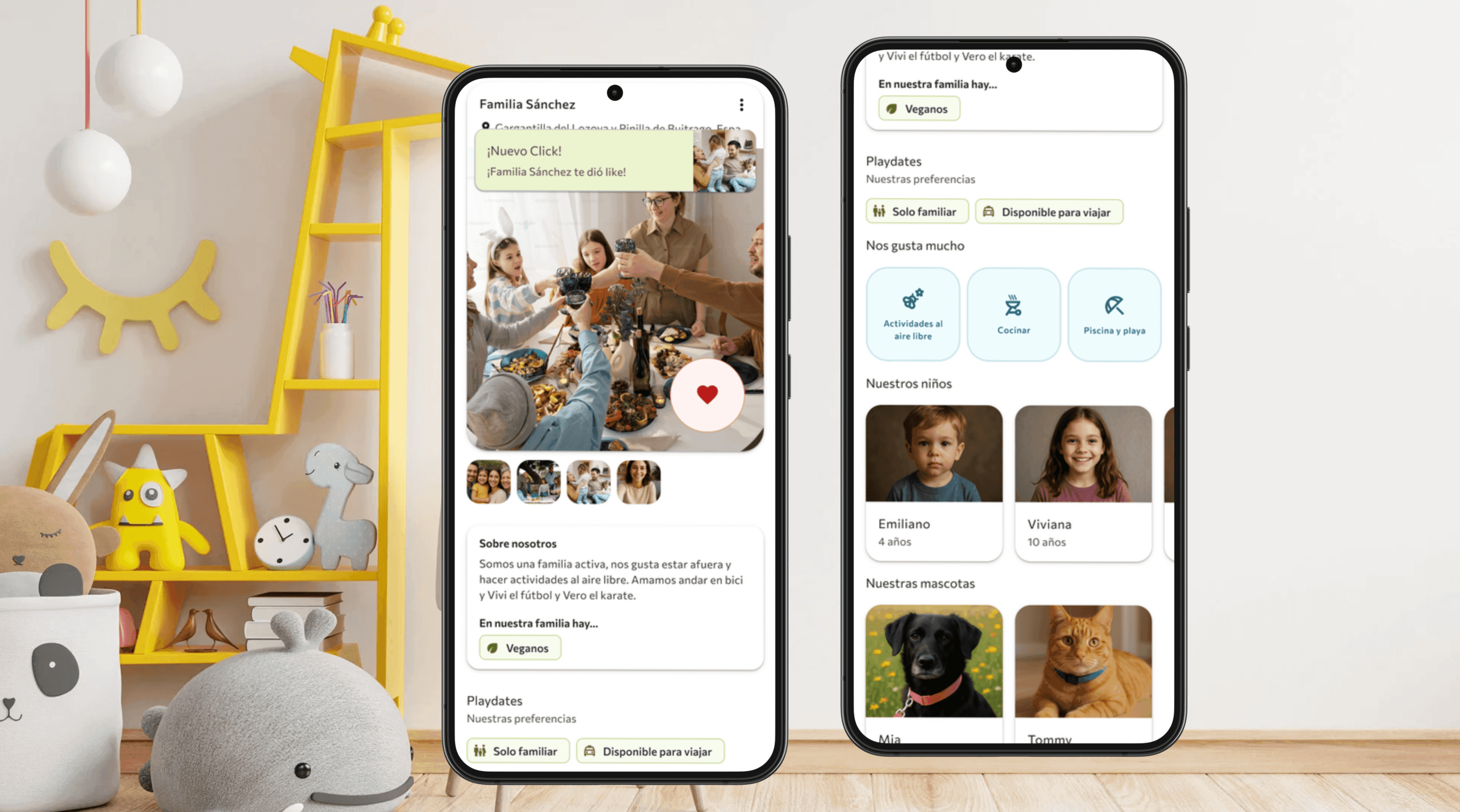
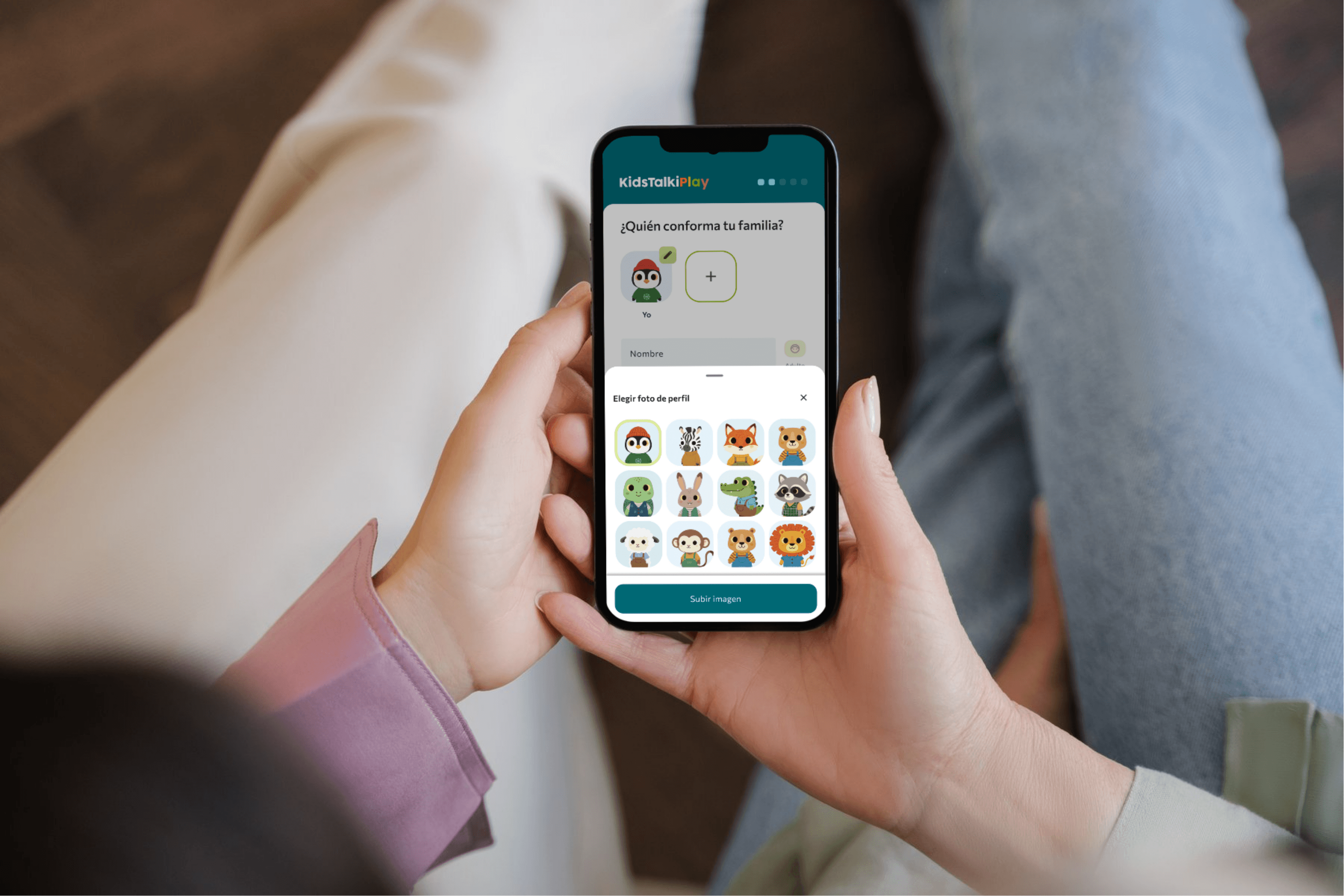
Created filterable profile system based on languages, children's ages, interests, and location
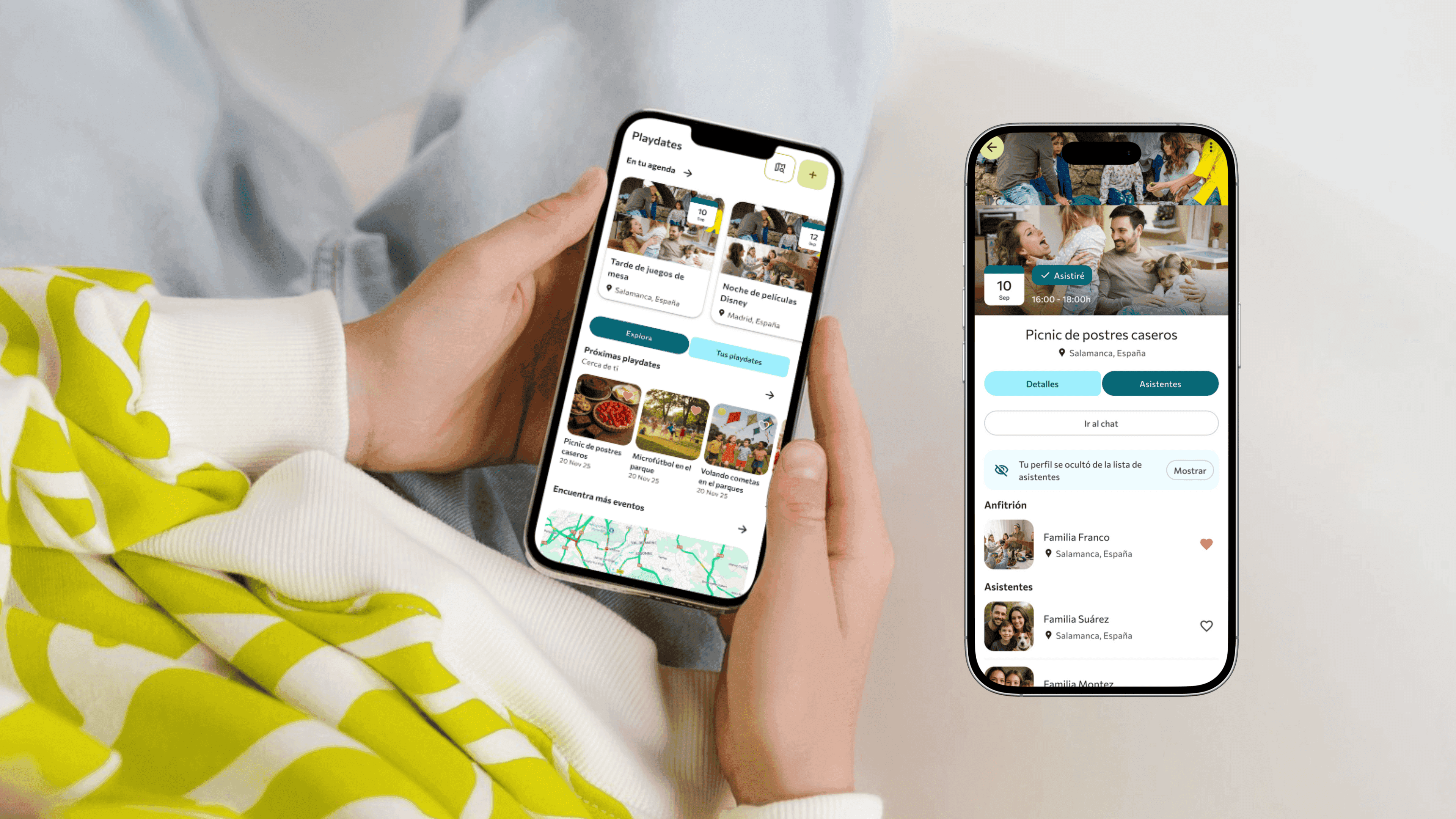
Proposed dual interaction model: "Playdates" for in-person meetups + private chat/video for remote connection
Addressed safety through moderation systems, reporting tools, and admin oversight.
What went wrong: Product requires critical mass to be valuable—chicken-egg problem of needing users to attract users. Safety and moderation systems need ongoing human oversight, which scales poorly. Didn't validate if families would trust a new platform over existing WhatsApp groups or local FB communities.
What I learned:
Community platforms live or die on network effects—need launch strategy beyond just good UX
Safety-first design is non-negotiable for family-focused apps, but moderation doesn't scale cheaply
Building trust in a new platform competing with established channels (WhatsApp, Facebook) requires more than features—needs community validation
Should have interviewed 20+ families before designing to validate if this solves a real paid-for problem
Main challenge
Context:
Multicultural families, especially new to an area, struggle to find like-minded community. Existing solutions are fragmented: local Facebook groups are hit-or-miss, language barriers exist, and vetting people for children's safety takes time. This leads to isolation for both adults and kids.
My hypothesis:
A dedicated platform with robust filtering (languages, ages, interests) and safety features would make finding trusted family connections efficient and secure—reducing isolation and building real-world friendships.
The constraints that shaped everything:
Safety paramount—working with families and children
Need critical mass in each geographic area to be useful
Competing with free alternatives (WhatsApp groups, Facebook, Meetup)
Required both trust-building features AND ease of use
4-week timeline for development agency
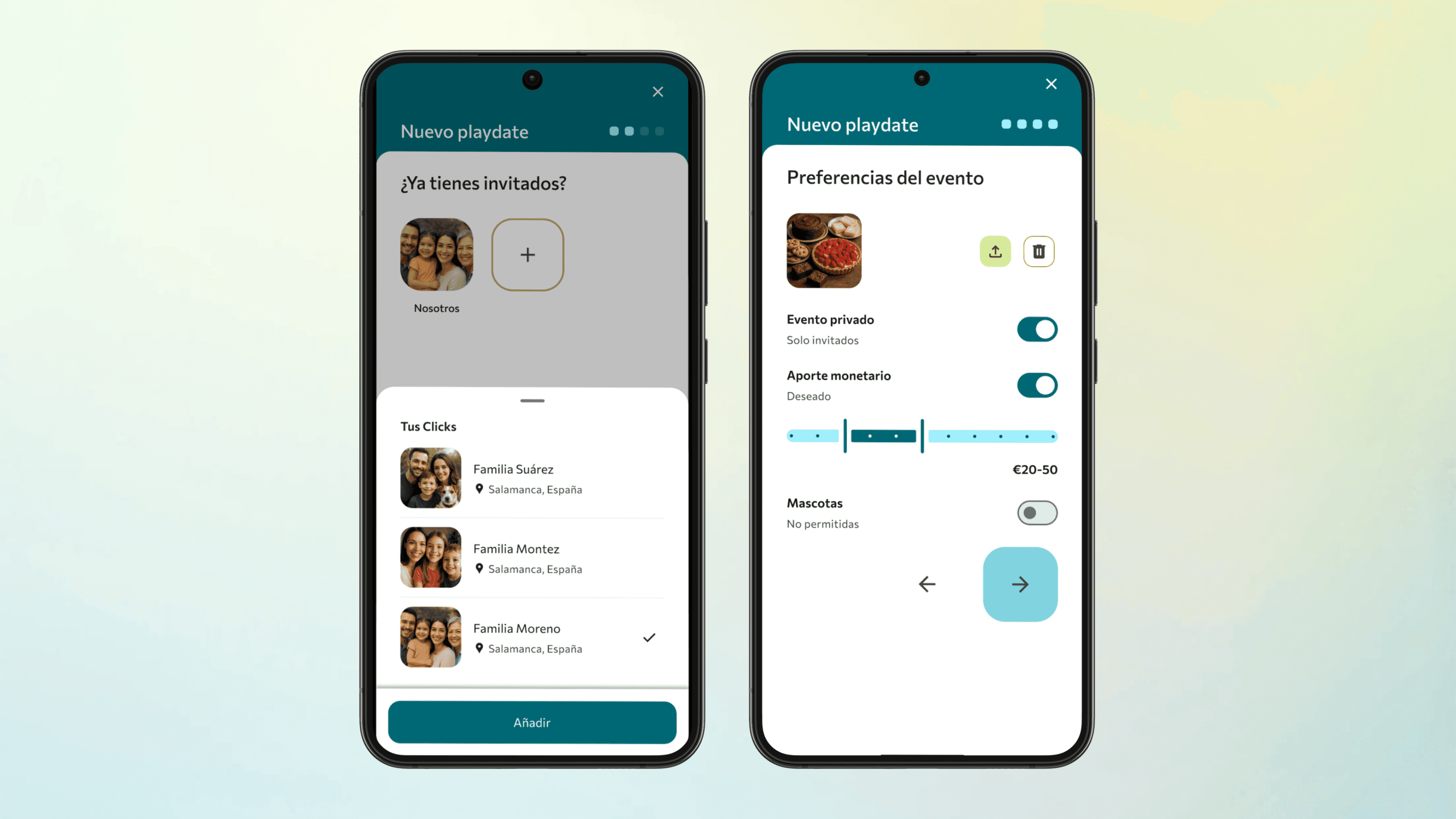
Profile system: Detailed family profiles: adults + children info, languages spoken, interests, hobbies Dual interaction model: Playdates & Private connections Safety infrastructure: Human admin oversight for flagged content
Key decisions:
Prioritized safety over speed—more friction acceptable for family context
Designed for offline outcomes (playdates) not just digital engagement
Built filtering around real pain points (language compatibility, age-appropriate friendships)
Assumed moderation could be semi-automated (learned this scales poorly)
Difficulties:
Balancing ease of use with safety requirements. Every friction point (verification, moderation) protects families but risks abandonment. Also: how do you cold-start a community platform when value requires existing users?
What went wrong?
Designed without validating the core assumption—would families actually switch from WhatsApp/Facebook to a new platform? Classic chicken-egg problem: platform needs users to be valuable, but can't attract users without existing community.
About network effects:
Community platforms need launch strategy, not just UX. Should have designed for hyper-local rollout (one city, one neighborhood) to reach critical mass faster, rather than generic "any multicultural family anywhere."
About safety vs. scale:
Family/children products need human oversight. That's expensive. Either design for community self-moderation (reputation systems, verified users vouching) or accept high costs. I designed assuming cheap moderation—that was naive.
About competitive positioning:
WhatsApp and Facebook work because everyone's already there. To pull users away, you need 10x better, not 10% better. Filtering by language/age is nice—but is it worth switching platforms? Probably not. Should have validated this assumption first.
For next time:
Interview target users BEFORE designing (would have caught cold-start and trust issues)
Design go-to-market into the product (referral loops, local seeding strategy)
Be realistic about moderation costs—design for scale from day one
Validate whether the problem is painful enough that people would switch platforms