TL;DR
The outcome:
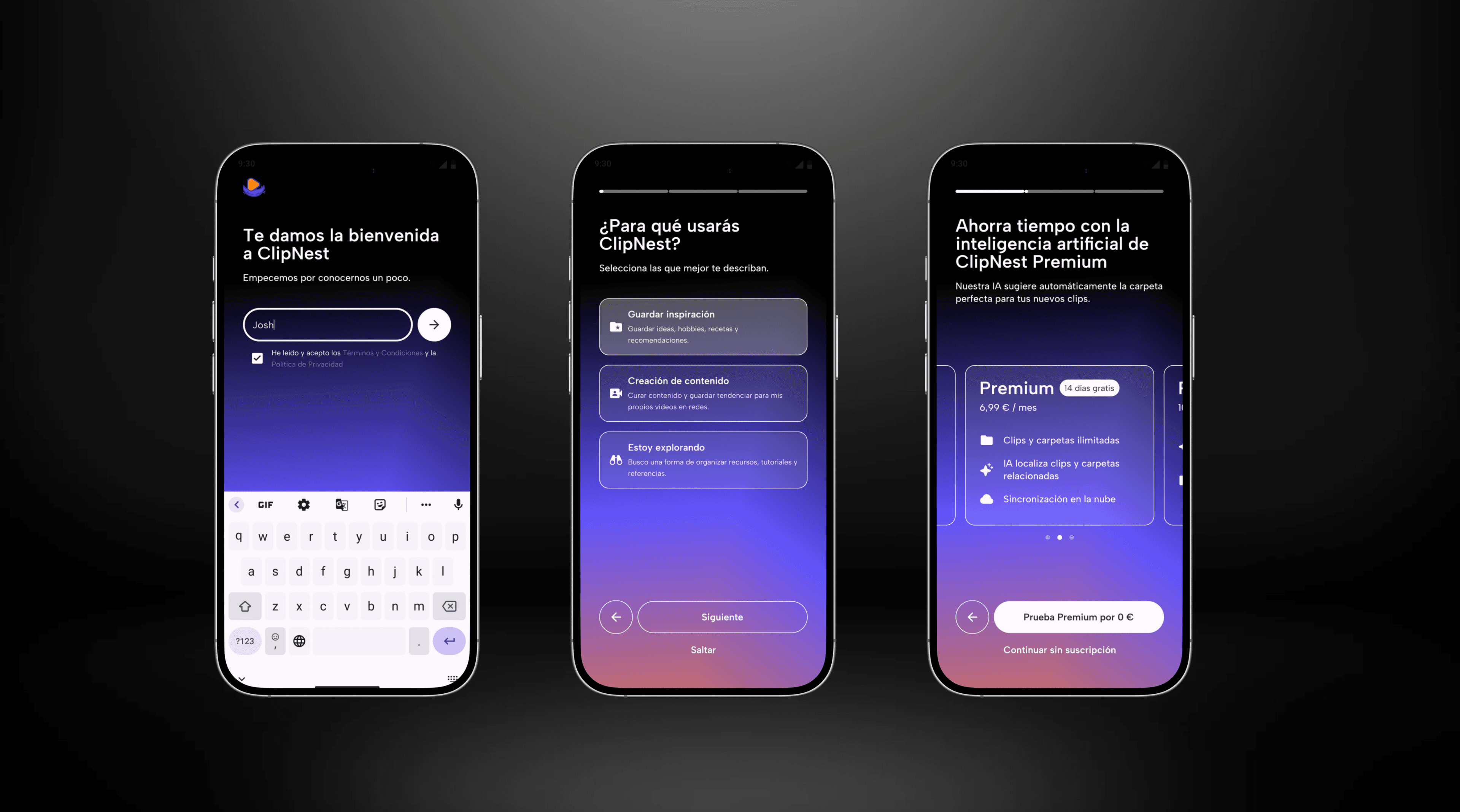
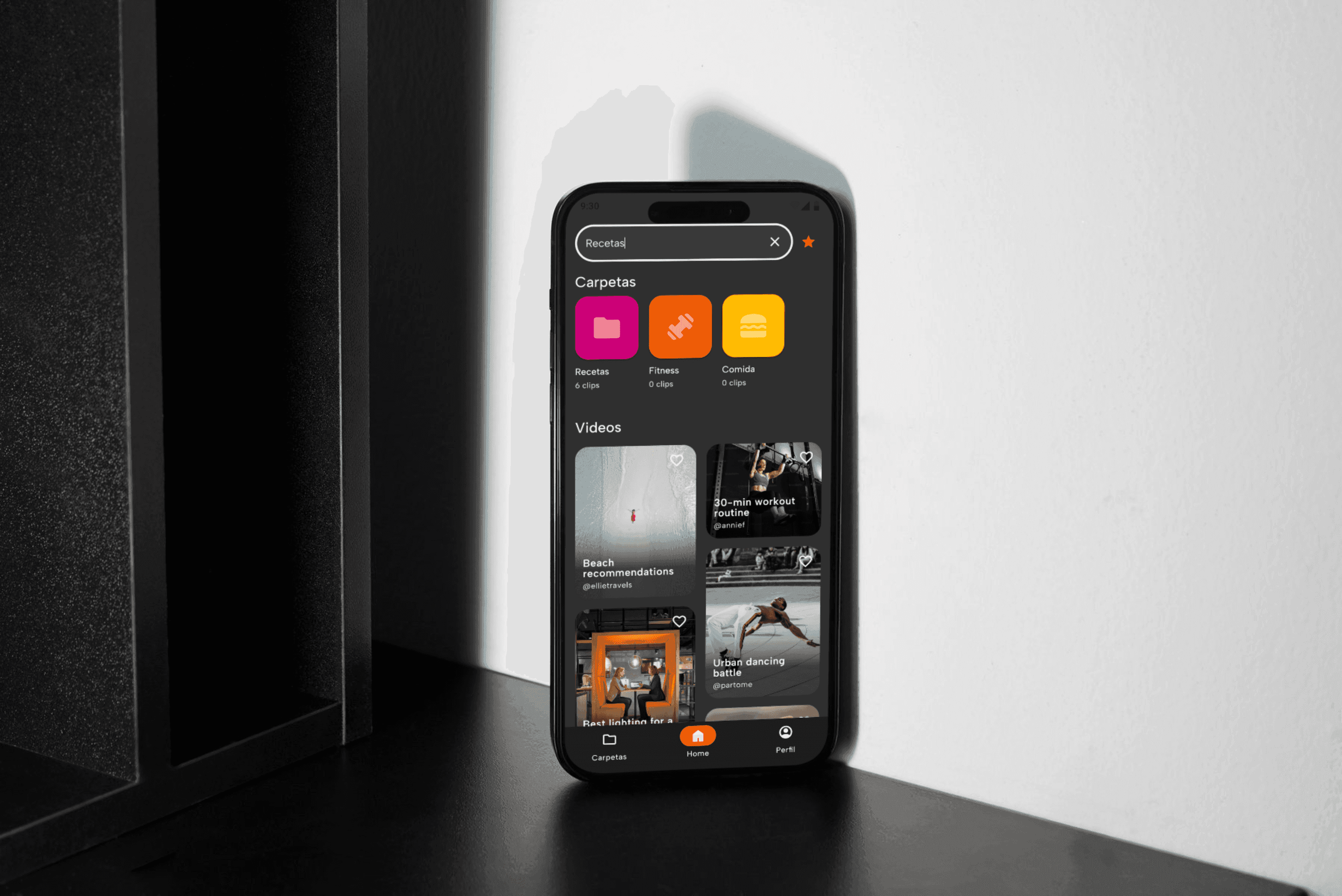
Designed AI-powered content organization app that centralizes saved multimedia from TikTok, Instagram, YouTube
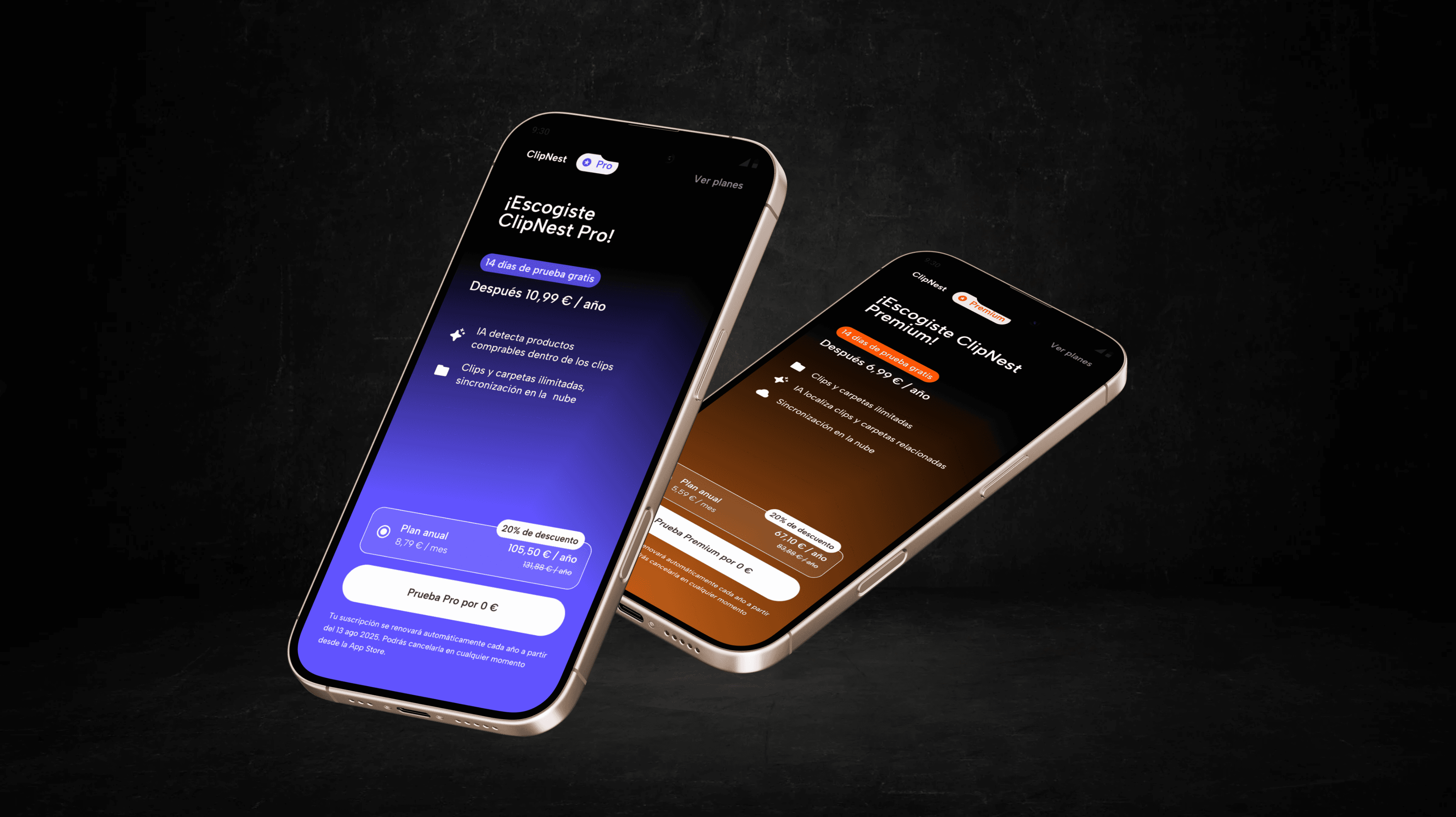
Created freemium model: free "Explorer Mode" with basic features, Premium unlocks AI capabilities (semantic search, auto-organization)
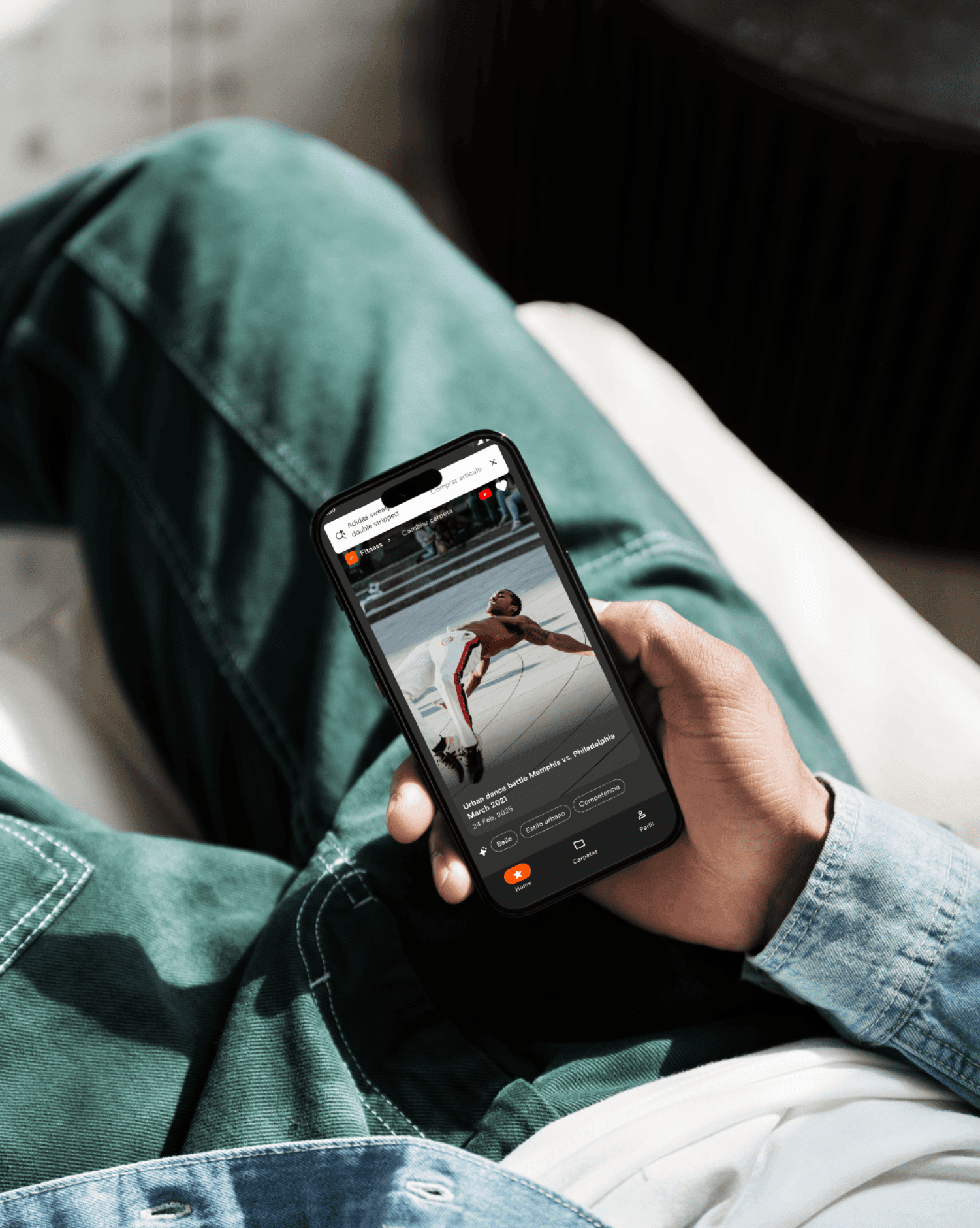
AI suggests titles, folders, and representative images to reduce manual organization friction
Designed to make AI feel like natural extension of user capability, not added complexity
What went wrong: Premium features prove unsufficient value three month after launch with minimum conversion.
What I learned:
Competing with native platform features (Instagram/TikTok saves) requires 10x better organization
AI features need to prove value immediately or users assume it's marketing fluff
Freemium balance: enough free value to hook users, but not enough Premium value to convert
Main challenge
Context:
Users save massive amounts of multimedia content across TikTok, Instagram, YouTube—favorite clips get lost in galleries, saved messages, notes. Finding a specific video later becomes frustrating and inefficient without centralized, intelligent organization.
My hypothesis:
An intelligent organization platform with AI-assisted curation (auto-suggested titles, folders, semantic search) would transform how users rediscover their saved content—reducing friction from fragmented saves to actionable library.
The constraints that shaped everything:
Freemium model: must show enough value in free tier to attract users, enough Premium value to monetize
AI features can't feel like complexity layer—must feel like natural capability extension
Competing with free native platform saves (Instagram/TikTok) and existing note apps
Need user trust to import personal content collection
Explorer Mode (Free): Basic import via links, manual folder organization, limited features Premium: AI title suggestions, automatic folder recommendations, semantic search using natural language, representative folder images
Key decisions:
Free tier had to be genuinely useful (not crippled demo) to build trust
AI suggestions positioned as helpful, not intrusive—user always has final say
Semantic search as Premium killer feature (hard to replicate manually)
Colorful gradient interface to convey "fluid and intelligent" vs boring file manager aesthetic
Design challenge within challenge:
Balance extreme simplicity (saving should be frictionless) with subtle upsell cues that communicate Premium's added value. Success depends on demonstrating that AI features unlock true potential of content collection, not just extras.
What went wrong?
Users already have free tools (Instagram saves, Pinterest boards, browser bookmarks). Didn't validate if centralization value outweighs friction of importing content to yet another app and added paywalls.
About freemium balance: Free tier can't be too limited (users won't try) but Premium must have clear value (or nobody converts). The art is in showing, not telling—users need to experience limitation friction to understand upgrade value.
About AI as feature vs gimmick: "AI-powered" means nothing if suggestions are mediocre. Users need to see 3-5 genuinely helpful AI suggestions before trusting the system. One bad suggestion = "this AI is useless, I'll do it manually."
About competing with free: Native platform saves are free and zero-friction. To pull users away, centralization + AI organization must be dramatically better, not incrementally better. "Slightly more organized" won't make people switch.
About trust and data: Asking users to import their curated content collection requires trust. New app with no reputation faces uphill battle vs established tools (Notion, Raindrop.io, even Apple Notes).
For next time:
Validate problem severity with 15-20 users who actively save content: How often do they fail to find saved clips?
Test freemium paywall placement: Where do users hit friction that makes Premium worth paying for?
Prototype AI suggestions with real user content to validate accuracy before building
Research competitor pricing and feature sets to position Premium value correctly